A vinyl sticker looks simple until you try to buy one. Then you find out there are laminated versions, static cling versions, one-way vision versions and half a dozen others. Pick the wrong one and it peels, fades, or falls off the wall in a month. Pick the right one and it can last for years.
Here’s the easy way to think about it.
Start With Where The Sticker Will Live
This is the first question and it changes everything else. A sticker sitting on an office door gets none of the weather that one stuck on a delivery van gets. So the material and finish should match the job, not just the design you want printed.
For indoor use, you don’t need much protection. Sun, rain and temperature swings aren’t in play, so a basic vinyl sticker or PVC sticker will hold up fine on glass, walls, product packaging, or signage inside a shop. These are usually the cheaper option too, since there’s no need for extra lamination or heavy-duty adhesive.
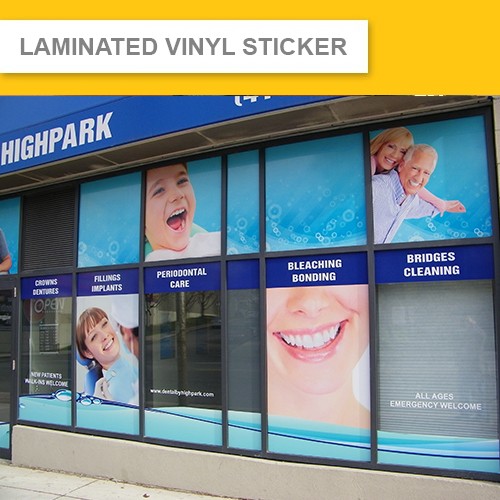
For outdoor use, the sticker has to deal with sunlight, rain and hot or cold days without cracking or losing colour. That’s where a laminated vinyl sticker earns its price. The lamination is a thin protective layer added over the print and it’s the difference between a sticker that lasts three months outside and one that lasts three years.
Think About How Long You Need It To Last
Vinyl stickers aren’t all built for the same lifespan and that’s actually useful, because you don’t always want a sticker that lasts forever.
Running a short sale or a one-off event? A basic outdoor vinyl sticker will do the job and cost less. Putting your logo on a shopfront window or a company van you’ll keep for years? A laminated polymeric vinyl sticker is worth the extra cost, since these are made to handle years of sun and weather without fading or lifting at the edges.
If you’re not sure how long you’ll need it, it’s usually smarter to go for the longer-lasting option. Replacing a cheap sticker every few months usually ends up costing more than paying a bit extra upfront.
Match The Sticker Type To The Surface
Not every vinyl sticker sticks the same way and the surface matters as much as the location.
Glass windows and shopfronts often work better with a front adhesive window sticker, which sticks to the inside of the glass and is designed to be viewed from outside. It protects the print from being touched or scratched, since it faces the glass rather than the room.
For temporary signage, you might not want anything sticky at all. Static cling stickers use static rather than glue, so they go up and come down without leaving residue. Good for pop-up displays, seasonal promotions, or anything you’ll change out often.
Vehicles need something tougher. A vehicle magnet or car sticker has to survive washing, weather and constant movement, so it’s usually made from a heavier-grade vinyl than what you’d use indoors.
Don’t Ignore The Finish
Beyond material, the finish changes how a sticker performs and looks. A one-way vision sticker lets people inside a shop see out while blocking the view from outside, which is popular for storefront windows. A hologram sticker or reflective sticker adds a visual effect that’s harder to fake, which is why they’re common for warranty seals and authenticity labels.
If you’re printing on a dark or coloured surface, ask about block-out vinyl stickers. These have an opaque layer built in, so the colour underneath doesn’t show through the design.
Conclusion
If you’re stuck, ask three questions: Where is it going? How long does it need to last? What surface is it sticking to? The answers usually point straight to the right product, whether that’s a basic vinyl sticker for a quick indoor job or a laminated, weatherproof version for something staying outside for years.
Getting this right the first time saves you from redoing the job later and it’s a quick thing to sort out with the print shop before you place an order.